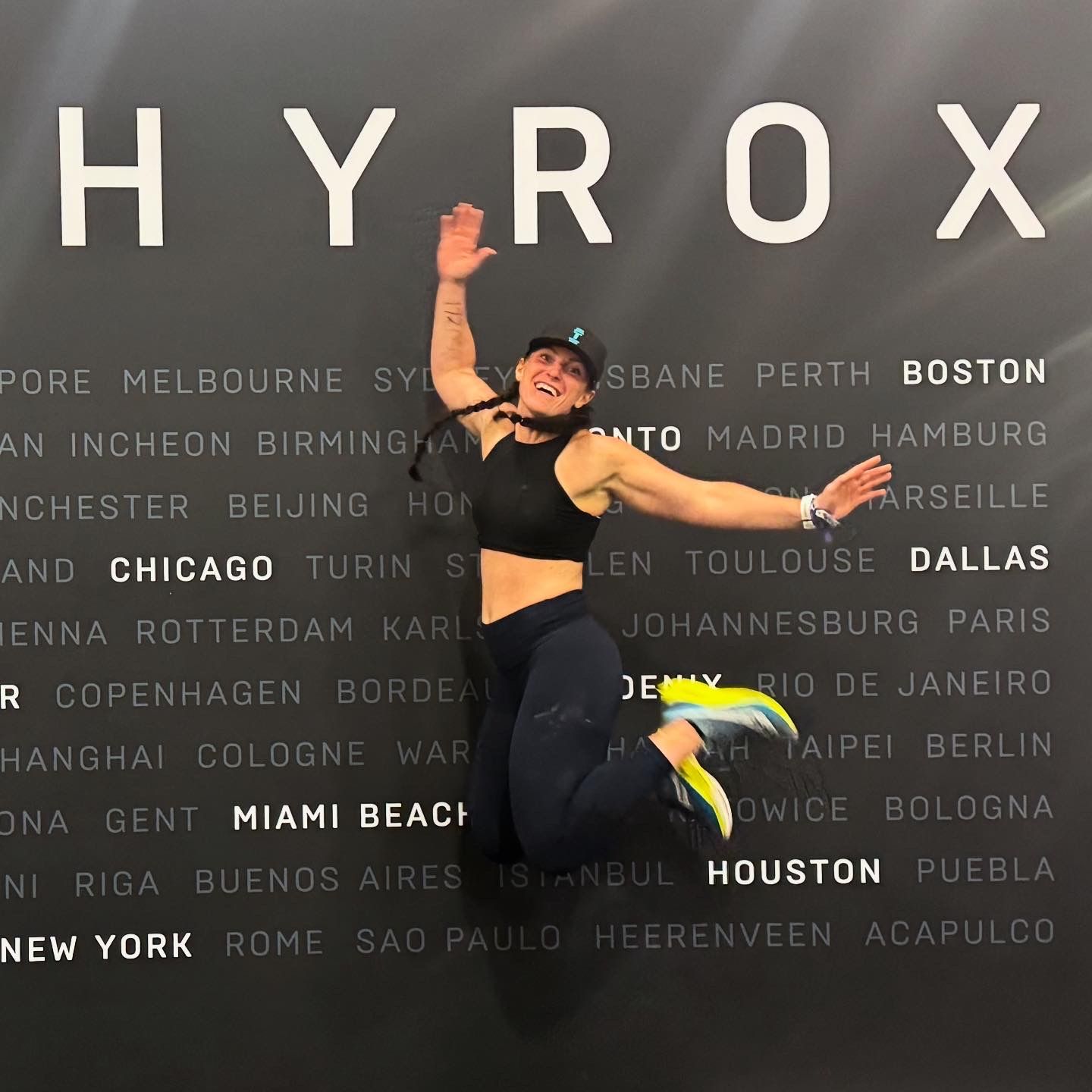
Why Fitness Is So Much More Than Aesthetics For Me
If I’m being honest, there are still days where I don’t feel like I look like an athlete.
And that thought can creep in fast.
Especially when you’re standing next to women who do—chiseled legs, lean lines, the kind of physique that fitness culture loves to highlight. The kind I spent years thinking I needed in order to “belong.”
But here’s the truth I’ve had to learn—over and over again:
Fitness, for me, is no longer about aesthetics.
It’s about how I feel. It’s about how I function. It’s about how I show up.
And a lot of that comes from something I didn’t even understand for most of my life.
Living With Lipedema
I have lipedema.
It’s a chronic condition that affects how fat is distributed in my body—mainly my legs, hips, and arms. It’s not something I caused, and it’s not something I can just “train away.”
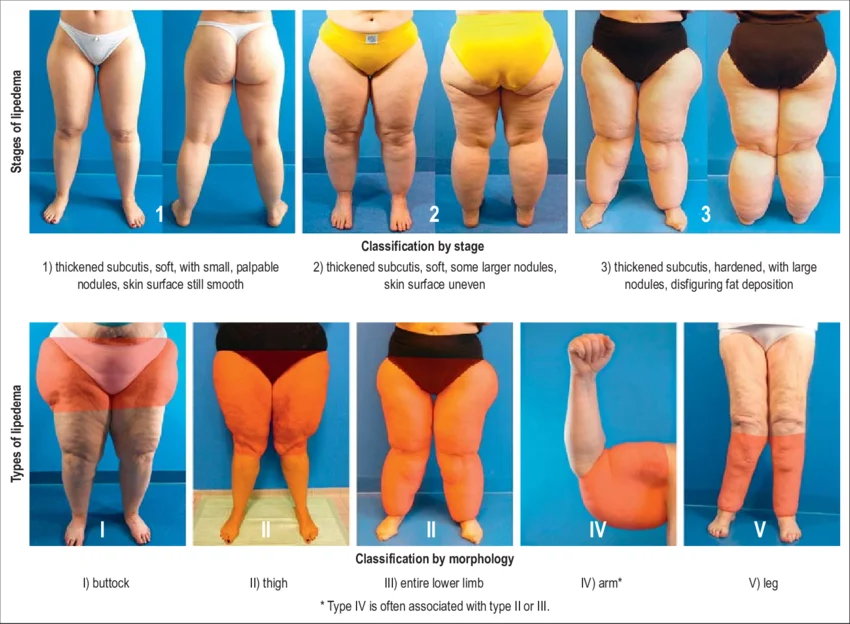
Lipedema is a chronic and progressive condition that affects how fat is stored in the body—most commonly in the hips, thighs, butt, and arms. It almost exclusively affects women and is often misunderstood or misdiagnosed as general weight gain. But it’s not the same thing. The fat tissue in lipedema behaves differently. It’s more fibrotic, more sensitive, and often painful to the touch. It doesn’t respond the same way to diet and exercise, which is why so many women with lipedema feel like they’re doing everything “right” and still not seeing change in certain areas. There’s still a lot we don’t fully understand about it, but current research suggests it’s likely linked to a combination of:
- Hormonal changes (often showing up during puberty, pregnancy, or other major shifts)
- Genetics (it tends to run in families)
- Dysfunction in the lymphatic system, which affects how fluid moves through the body
Over time, lipedema can progress if it’s not managed.
It’s typically categorized into stages and types:
For a long time, I didn’t know any of this.
I just thought I wasn’t doing enough.
Not training hard enough.
Not disciplined enough.
Not lean enough.
And that narrative can mess with you.
Because no matter what I did, my legs didn’t change the way I thought they should. And when you’re in environments where bodies are constantly being compared—sports, fitness, competitions—it’s really easy to internalize that as a personal failure.
Getting diagnosed honestly wasn’t some big emotional breakthrough moment.
It was… relief.
Relief in knowing:
This isn’t a lack of effort. This isn’t a lack of discipline. This is just how my body is.
And slowly, I’ve learned to accept that.
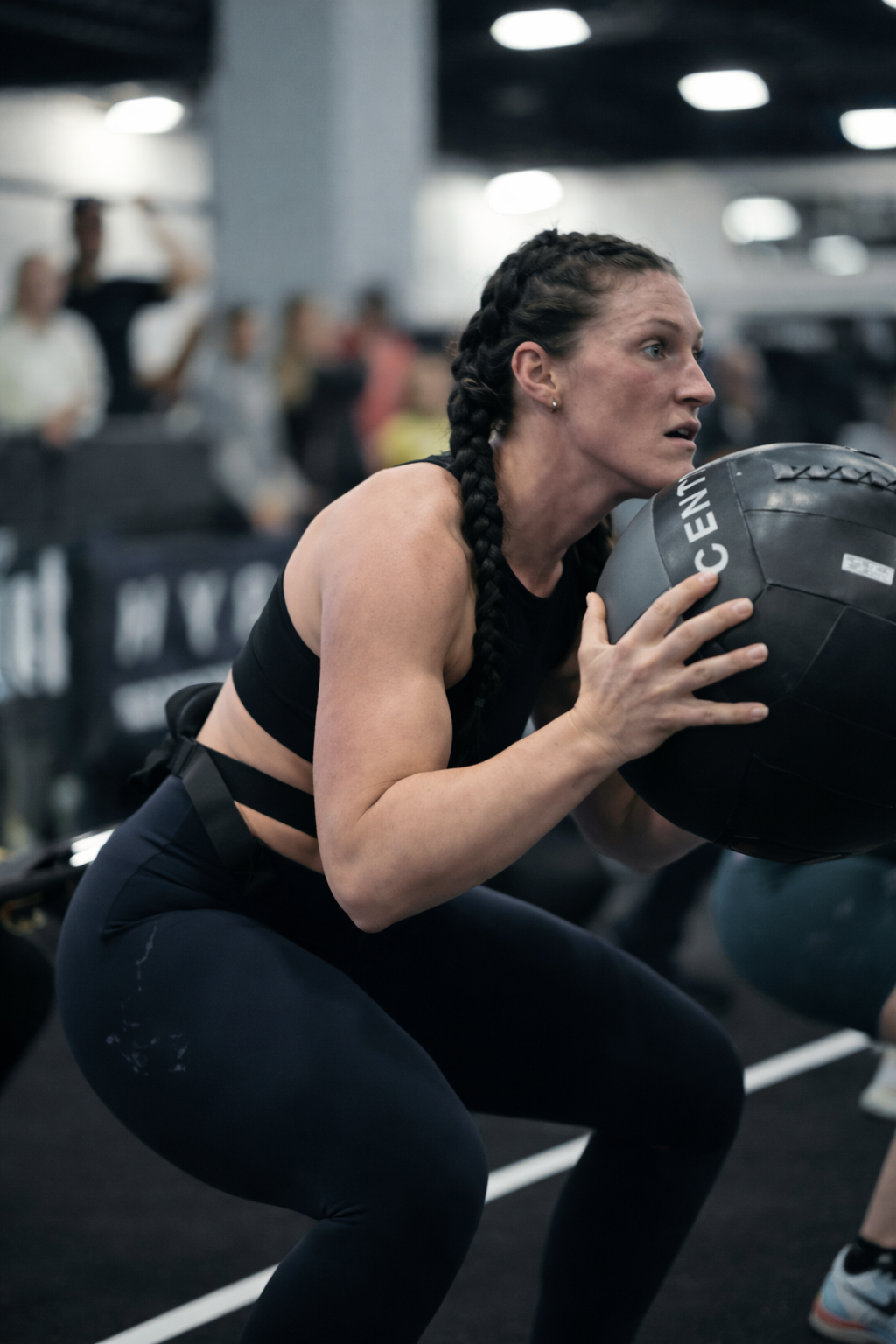
The Mental Battle No One Talks About
One of the hardest parts of lipedema isn’t even physical—it’s mental.
It’s the constant background noise of:
“My legs/hips/triceps will never look like that, so what’s the point?”
I felt that playing college soccer.
I remember looking around at my teammates and being so envious of their legs—strong, lean, defined. Meanwhile, I didn’t see that in myself.
(Also… not realizing at the time how much I did admire ‘em…closeted lesbian joke 😂)
But what people don’t see is how closely tied that mental spiral is to what’s happening physically in my body.
When I Fall Out of Routine, I Feel It—Literally
This isn’t just about motivation or discipline for me.
When I’m not on point—when I’m out of my routine, not moving as much, not fueling well, not staying consistent—
I physically feel it in my body.
The lipedema tissue becomes more painful.
There’s more heaviness, more pressure, more sensitivity.
It’s not just “I feel off.”
It’s actual discomfort in my legs and the affected areas.
That’s something a lot of people don’t understand about lipedema.
It’s not just how it looks—
it’s how it feels.
There’s inflammation.
There’s tenderness.
There’s this constant awareness of your body that can wear on you over time.
And when that physical discomfort increases, it feeds the mental side leading to depression:
“I’m doing something wrong.”
“I’ve fallen off.”
“Why can’t I just be normal about this?”
And that’s where the spiral can start.
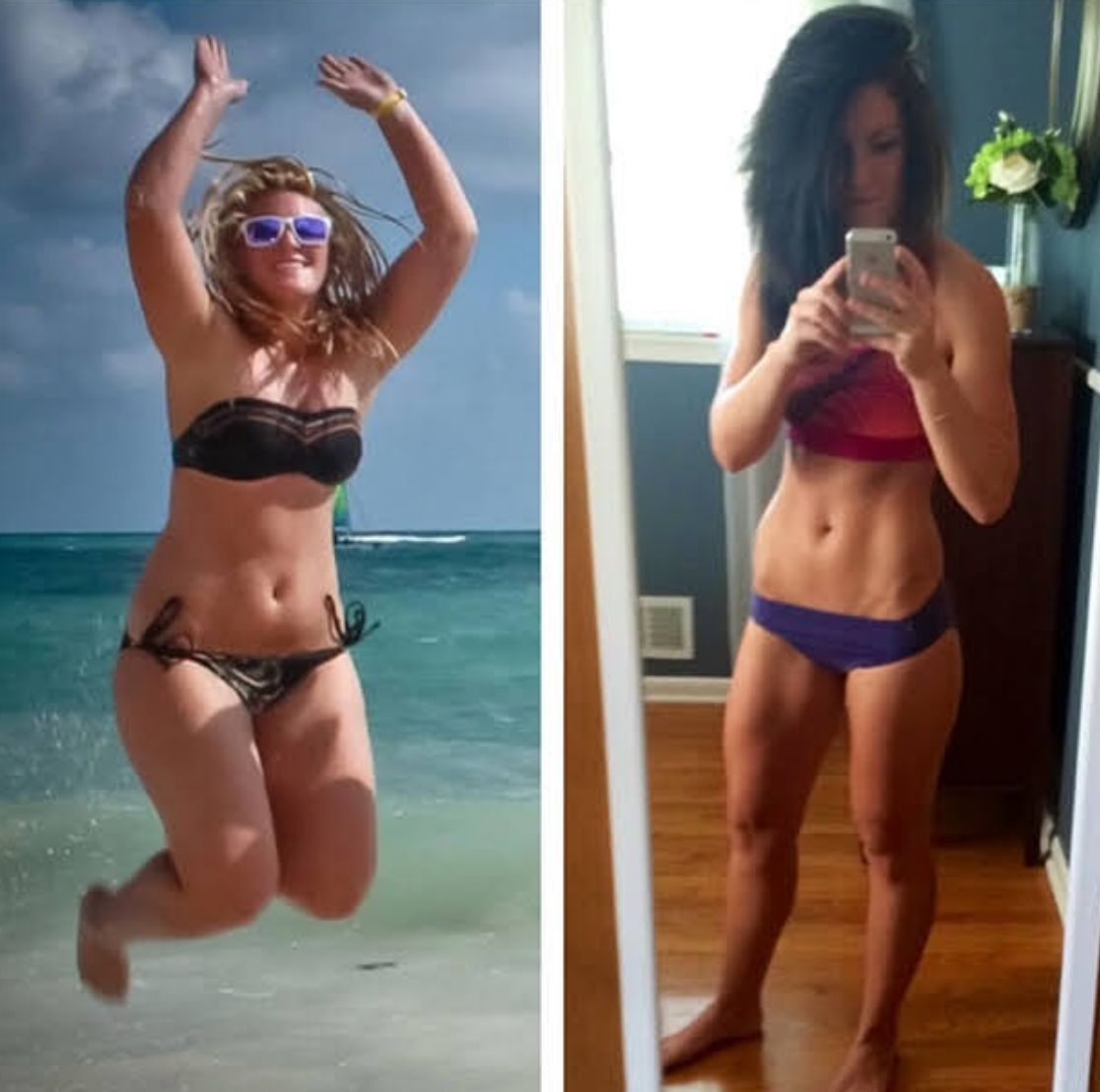
I’ve yo-yoed like no other; always chasing the aesthetics in the LEAST healthy way as seen above.
Why Routine Isn’t Optional For Me
That’s why structure isn’t just helpful for me—it’s necessary.
Because when I stay consistent:
- I manage inflammation better
- I reduce pain and heaviness
- I feel more in control of my body
- And mentally, I’m in a completely different place
Movement helps move fluid since lipedema cells cause disruption to the lymphatic system.
Strength training helps me feel capable.
Consistency keeps me out of that spiral.
And yeah, my routine might look a little different than most:
- Gluten-free, dairy-free to manage inflammation
- Nightly Normatec leg pumps (honestly a game changer) Considering the Normatec arm compressions pumps too… although paired with a silk bonnet and red light mask, it’s a full production at night and super attractive for Whit to come to bed too 😂.
- Regular exercise
- Alcohol-free lifestyle
But it’s not about what it looks like.
It’s about what it allows me to feel.
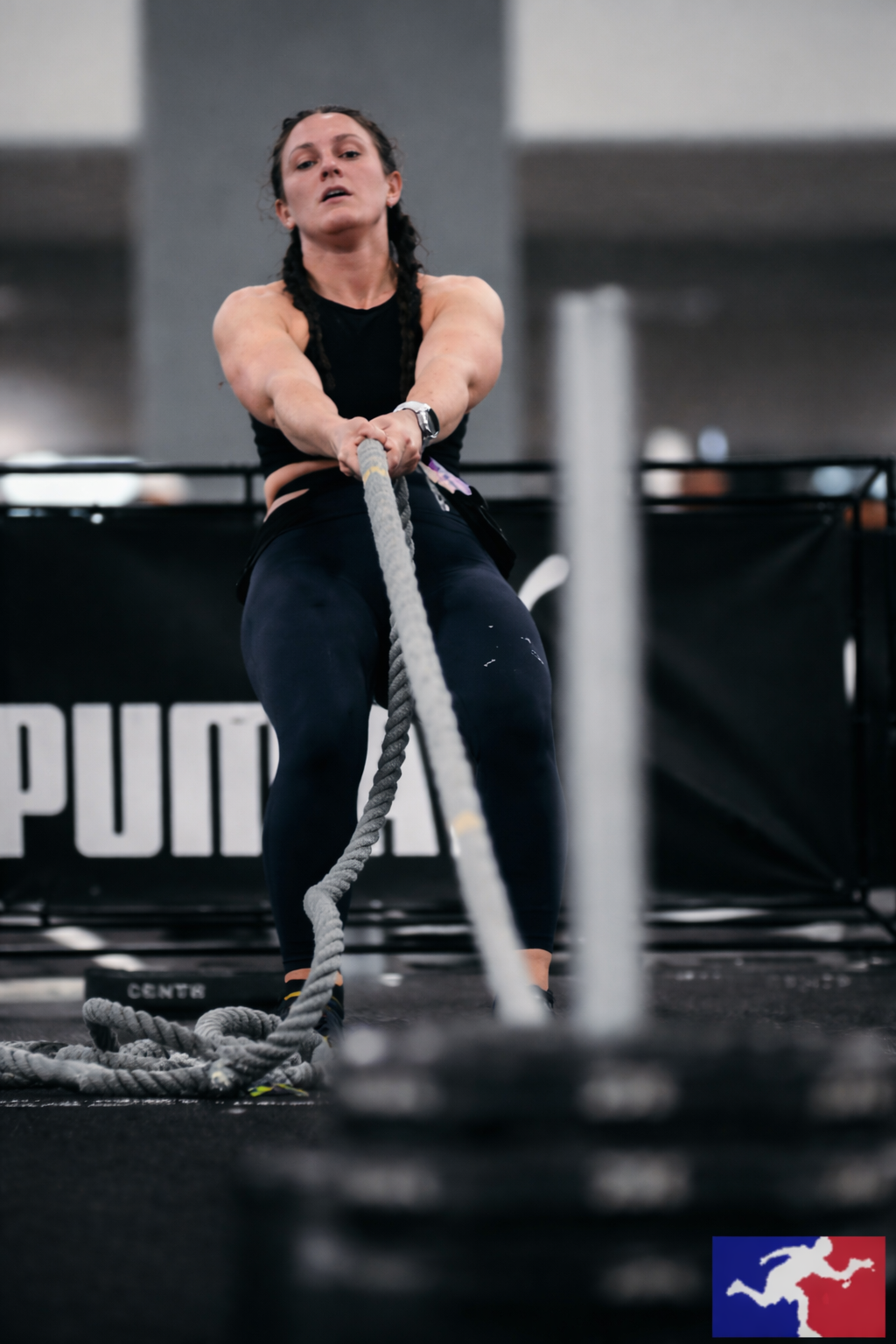
My HYROX Reality Check
I lined up next to women who looked exactly how I used to think an “athlete” should look.
And for a moment, I didn’t feel like I belonged.
Because if I’m being honest, there was still a part of me thinking:
“You don’t look like them.”
“You don’t have their legs.”
“You’re not built like this.”
But while I might not look like them…
I was right there with them.
Competing.
Holding my own.
Finishing strong.
And that matters more.
That’s the part we don’t talk about enough.
You don’t have to look a certain way to be strong.
You don’t have to look a certain way to belong.
You don’t have to look a certain way to be an athlete.
This Is Why I Do It
I don’t train to look perfect.
I train so I can feel strong in a body that doesn’t always make that easy.
I train so I can quiet that negative voice.
I train so I can manage the physical symptoms that come with my condition.
I train so I can prove to myself—over and over again—that I do belong here.
Because fitness, for me, isn’t about chasing a look I may never have.
It’s about building a life where I feel good in my body anyway.
Final Thought
Fitness, for a lot of people, is about so much more than aesthetics.
And if it isn't for you right now, maybe that's something worth considering.
Because for many of us, it's not about chasing a look. It's about managing something deeps.
It's keeping pain at bay.
It's supporting our mental health.
It's creating a structure when things feel out of control.
It's feeling capable in a body that doesn't always make that easy.
There are so many people walking around into the gym carrying things you can't see--chronic conditions, injuries, inflammation, fatigue, grief, stress.
Things that they're quietly working through every single day.
So when you look at somebody's body...or their performance...or their HYROX time...
Just know you likely don't know the full story.
Choose kindness.
Choose Perspective.
Choose to respect the effort is takes for someone to show up at all.
Because if you’ve ever felt like you don’t look the part…Like your body doesn’t match the environment you’re in…Like you don’t belong—I get it.
But don’t let that be the thing that stops you.
Because you don’t need to look like everyone else to stand next to them.
Sometimes the strongest thing you can do is show up anyway.